
· GreenFlame
Coated and uncoated plates: how a salt cell is built
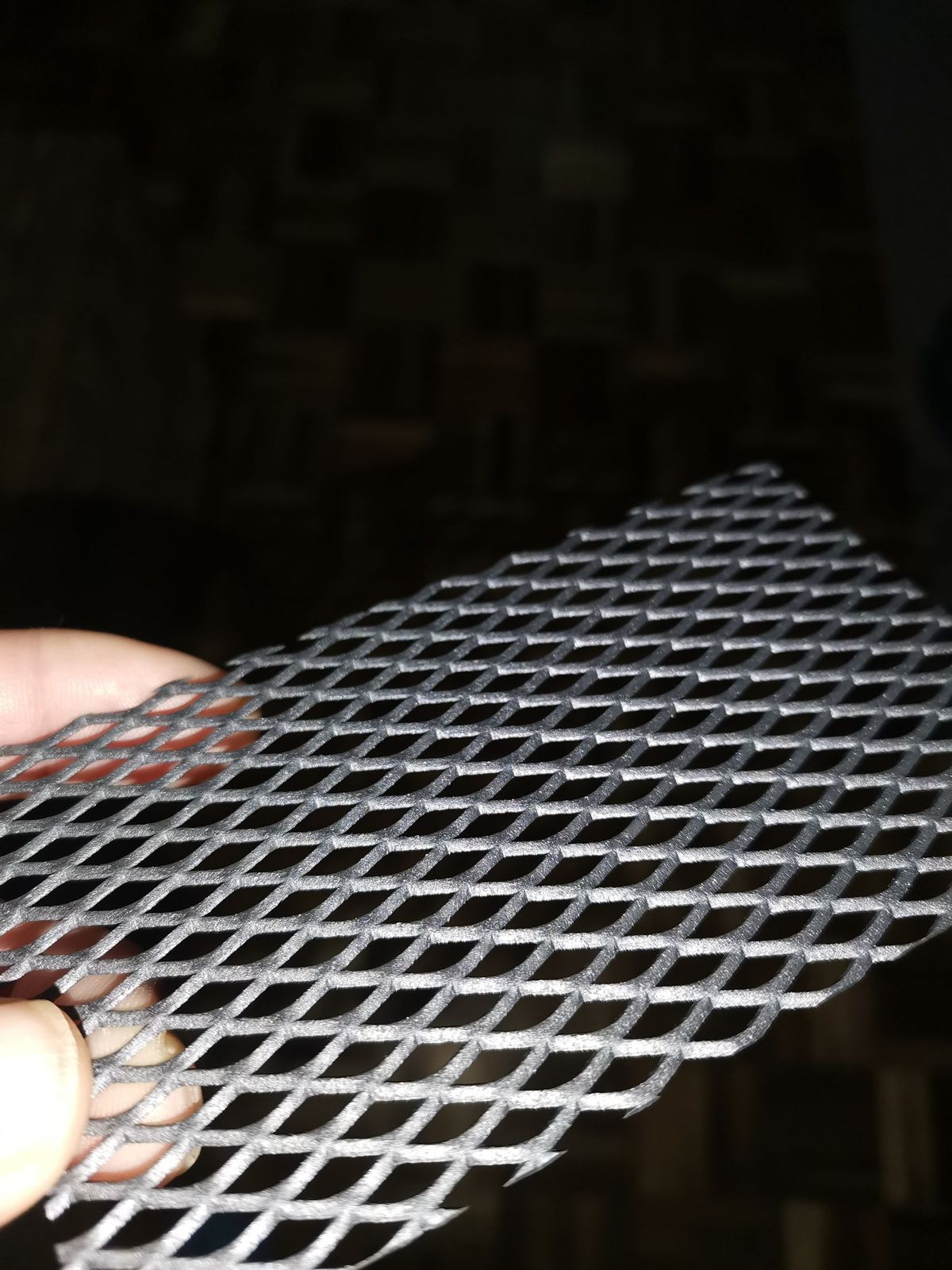
A salt cell is a stack of titanium plates. Not all of them do the same job, and not every plate carries the same coating.
The coating
The working coating is a mixed metal oxide (MMO) made from ruthenium and iridium. It is applied to the anode, the plate where chlorine is produced. It is what wears out over time, which is why worn cells stop making chlorine.
The opposite electrode
The cathode surfaces complete the circuit. They are uncoated or configured differently, and act as the opposite electrode rather than being one fixed side of the cell housing.
Reverse-polarity cells
Many cells reverse the current on a timer to keep scale off the plates. In those cells every plate takes a turn as the anode, so the coating is applied across both sides of the plates.
What we fit
When we recondition a cell we replace the brittle, broken and dead plates with new ones: we fit pure titanium or coated plates, with the coating being ruthenium and iridium, to match how your cell is built. Send us photos and we will tell you what yours needs.
Got a chlorinator or salt cell giving trouble?
Send us an enquiry