
Coated and uncoated plates: how a salt cell is built
Where the ruthenium and iridium coating sits, why reverse-polarity cells coat both sides, and what we fit when we recondition a cell.
GreenFlame repairs saltwater pool chlorinators and reconditions worn salt cells for pool owners across South Africa, at a fraction of the cost of a new one.
Send us your cell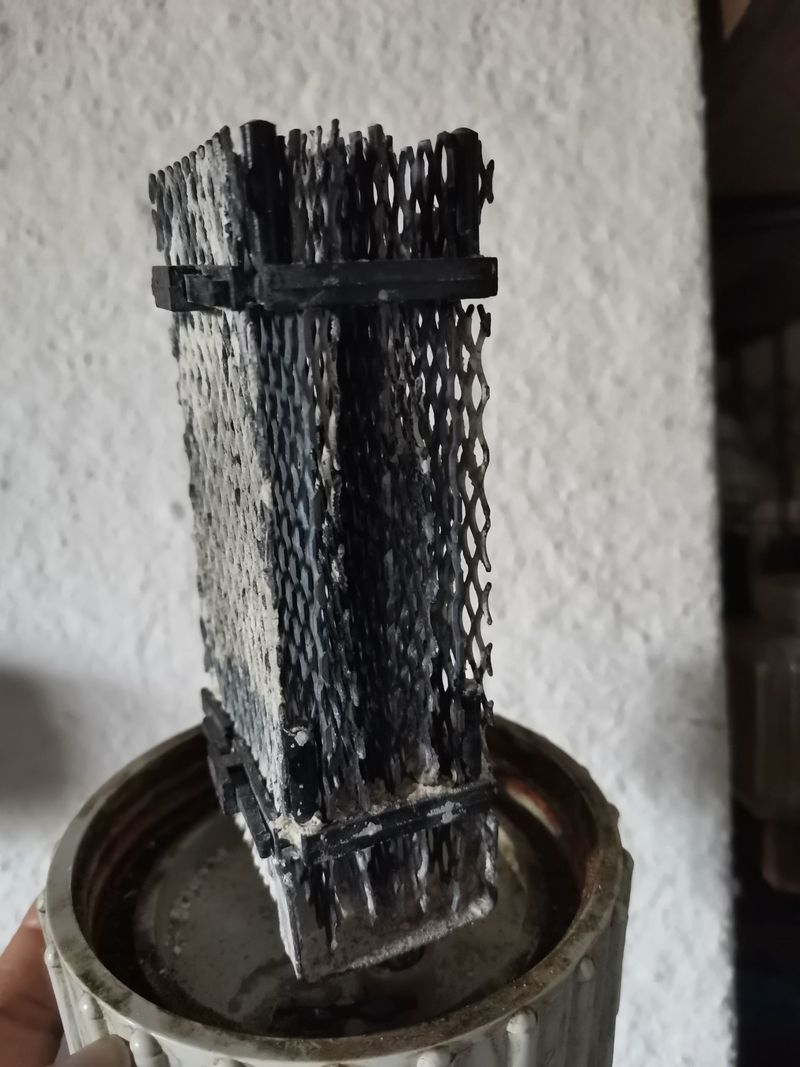
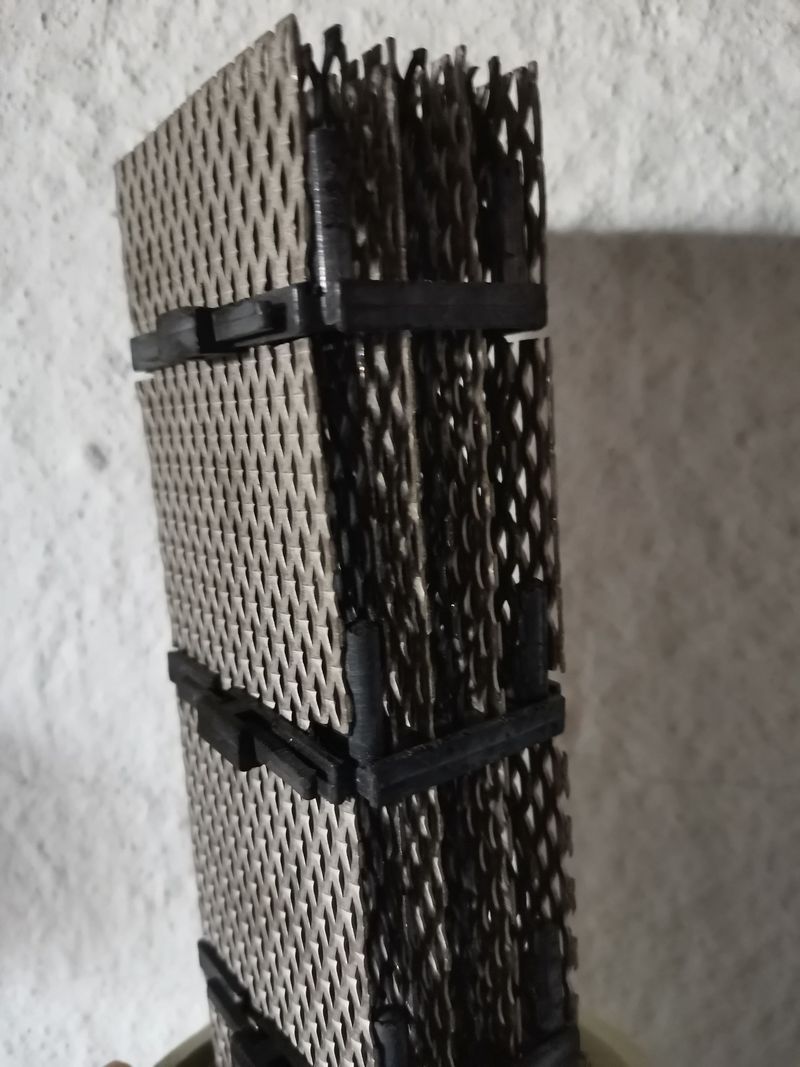
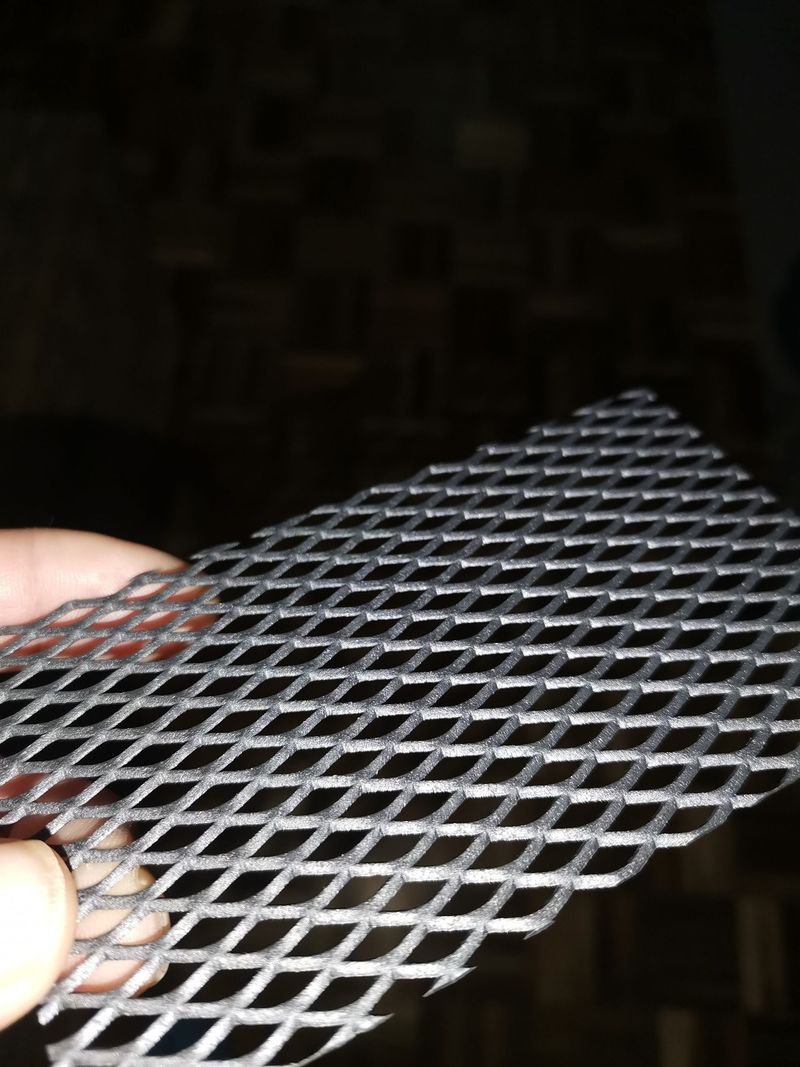
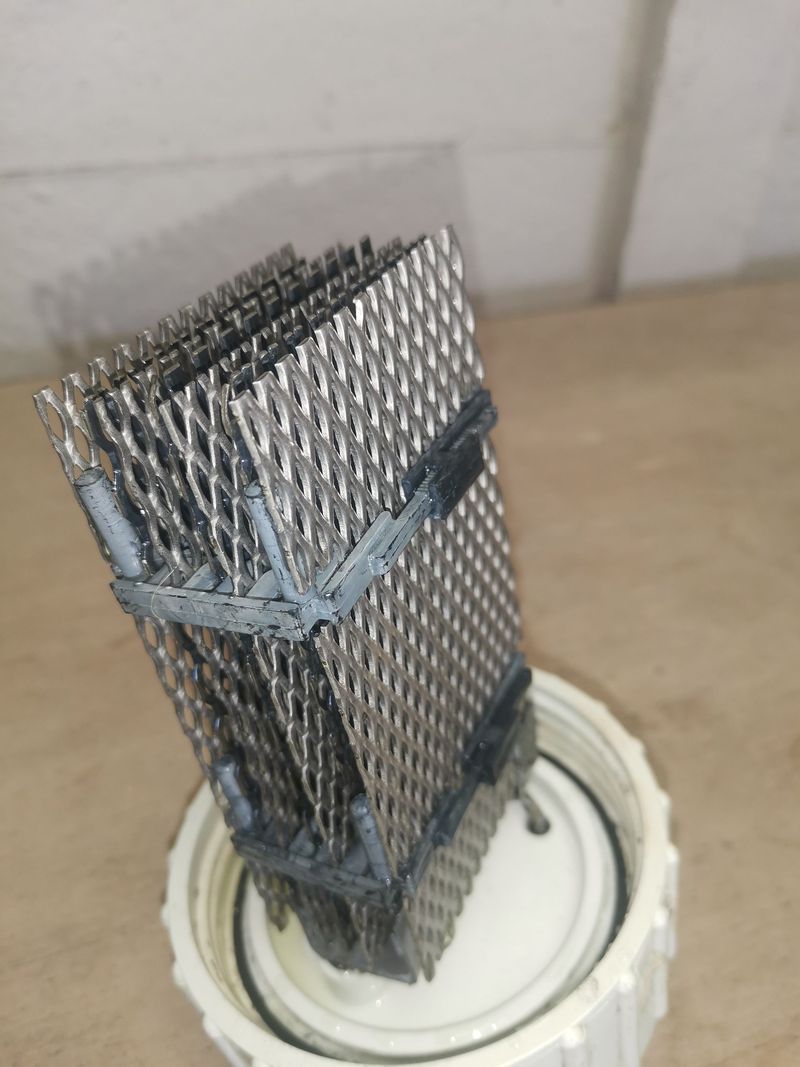
When a salt cell stops making chlorine, most pool shops simply sell you a new one. Reconditioning the old cell, replacing its brittle, broken and dead plates with new ones and testing it, is a specialist job that very few people here offer.
We do it every week. Your pool gets chlorinating again, and you keep a few thousand rand in your pocket.
Brittle, broken and dead plates replaced with new ones, then output tested, for worn or scaled cells.
How reconditioning worksControl boards, power supplies, displays and flow sensors, repaired and bench tested.
See repair optionsUse your own courier, our in-house courier, or drop it off at our premises in Wynberg, Cape Town.
If a unit is beyond saving, we say so before you spend anything.
01
Low chlorine, an error light, or a cell that is simply old. Send us the brand and model.
02
Use your own courier, let us arrange our in-house courier, or drop it off with us in Wynberg if you are in the Cape Town area.
03
Inspected, worked on and tested under load before it leaves the bench.
04
Returned with a note of what we found and how long to expect it to last.
Where the ruthenium and iridium coating sits, why reverse-polarity cells coat both sides, and what we fit when we recondition a cell.
Scale, worn plate coating and low salt all cut a cell's output. Here is how to tell which one is happening to yours.
A simple way to decide whether your chlorinator needs a repair, a reconditioned cell or a full replacement.
Tell us about your unit and we will tell you whether to repair, recondition or replace.
Start an enquiry