
· GreenFlame
How to recondition a salt chlorinator cell
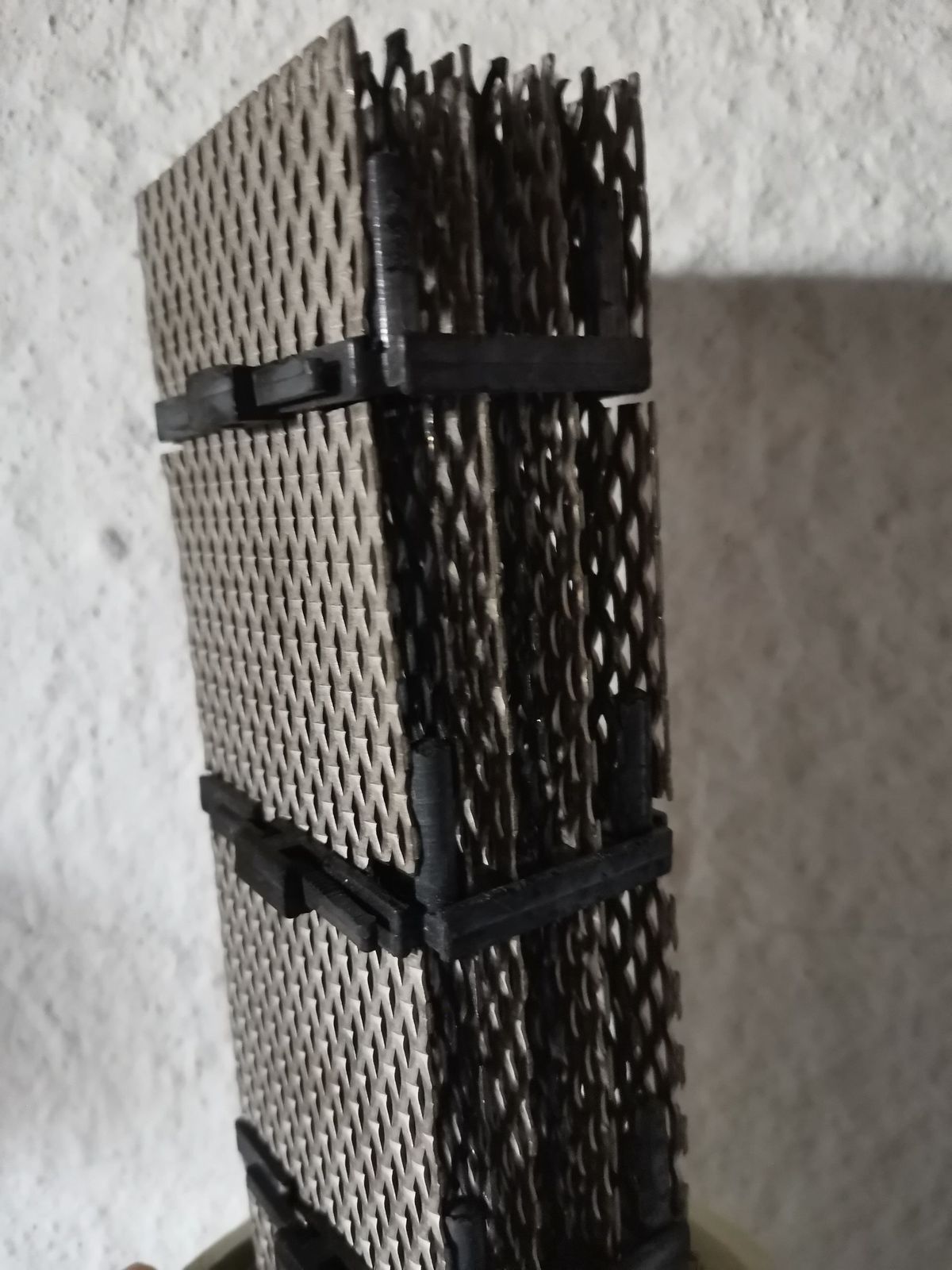
A salt chlorinator cell, also called a chlorinator electrode, is a set of thin titanium plates inside a clear housing. Over the years the plates wear, scale up and eventually stop making chlorine. The housing, however, usually lasts far longer than the plates. Reconditioning replaces what has worn out and keeps the rest.
What reconditioning involves
- Inspection. We open the cell and check the housing, the fittings and every plate for scale, cracks, brittleness and coating loss.
- Cleaning. Scale and deposits are removed from the housing and any plates worth keeping.
- New plates. Dead, broken or brittle plates are replaced with new pure titanium plates, or titanium coated with ruthenium and iridium.
- Testing under load. The finished cell is tested while running, so it leaves us producing chlorine and not just looking new.
- Return. The cell goes back to you by courier, ready to fit.
When reconditioning makes sense
- Chlorine output has dropped even though the salt level and the pool balance are correct.
- The cell is several years old and heavily scaled.
- The control box works and the cell is the weak link.
- The housing is in good condition.
If the chlorinator is not working at all, send the control box together with the cell. We repair it first, because the cell can only be tested on a working unit, and then we recondition the cell.
When it does not
If the housing is cracked or warped, or the cell has already been rebuilt several times, replacement is the honest answer. We will tell you so, and you will not be charged for the advice.
How to send us your cell
Switch off the chlorinator, close the valves, and unscrew the cell carefully. Pack it well, because the housing is the part most often damaged in transit. Our guide on packing and couriering a salt cell covers it step by step. Then use the contact page to tell us the brand and what the pool has been doing.
Got a chlorinator or salt cell giving trouble?
Send us an enquiry