
· GreenFlame
Salt cell not producing chlorine? What to check first
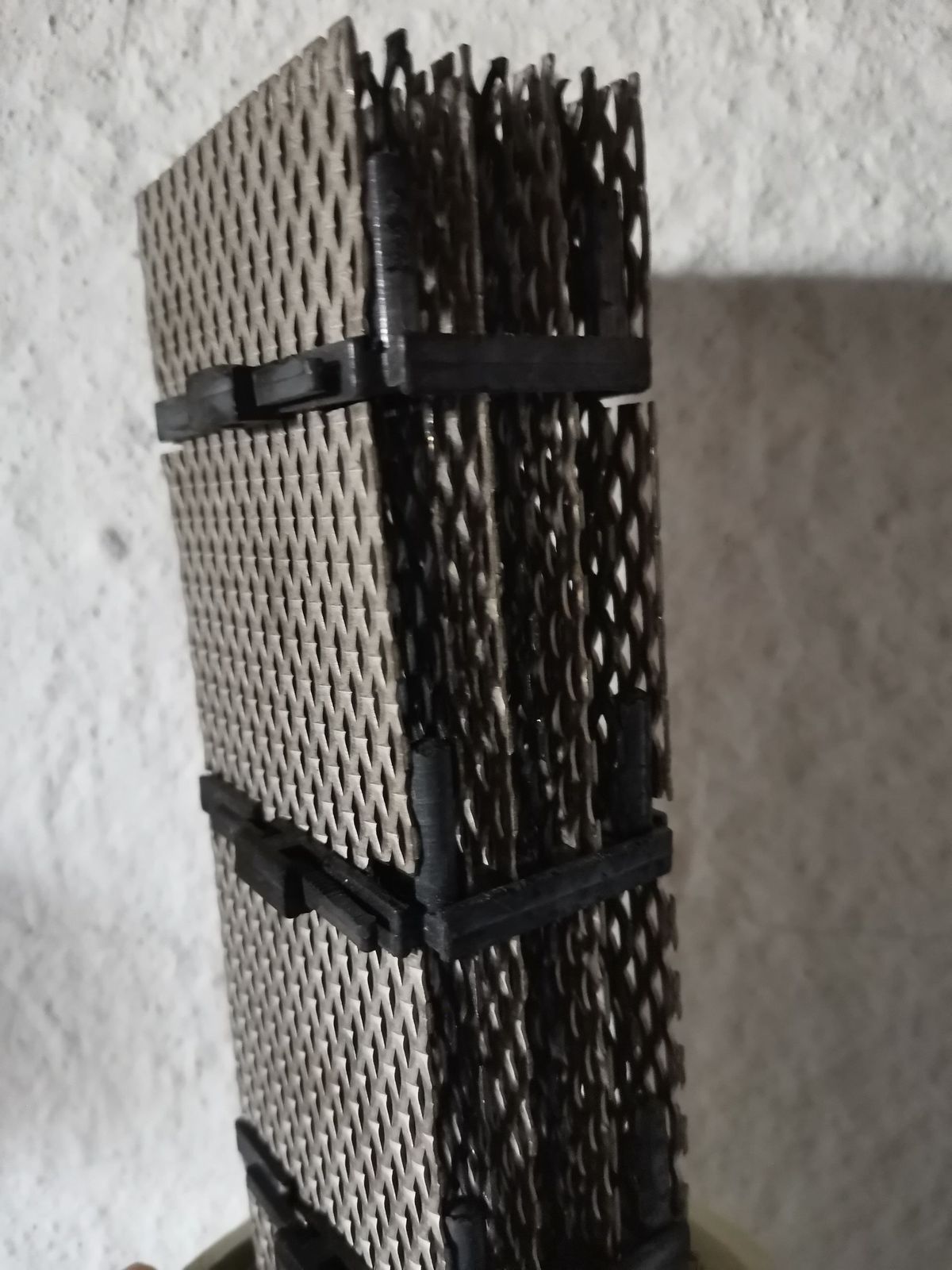
If your saltwater pool is turning green or the chlorine reading keeps falling, the cell is not always at fault. Work through these checks first. They cost nothing and can save you a call-out.
1. Salt level
Too little salt is the most common cause. Test it and compare the result with your chlorinator manual. Most units want a narrow range, and many shut down or show a low-salt light below it.
2. Water balance
High pH and high calcium hardness speed up scale on the plates. Test pH, alkalinity, calcium hardness and stabiliser (cyanuric acid). A very low stabiliser level lets the sun burn chlorine away as fast as it is made.
3. Flow
The chlorinator will not run without water moving through the cell. Clean the pump and skimmer baskets, check the filter pressure and make sure the valves are open.
4. Power and the control box
Check the display for error lights, a dead screen or a tripped breaker. A dead display or error codes usually point to the control board, which is repairable.
5. The cell itself
Take the cell out and look through the housing.
- White or grey crusty scale on the plates reduces output.
- Bent, flaking or missing plate material means the plates are wearing out.
- Cloudy deposits or a damaged housing are worth checking before you buy anything.
Light scale can sometimes be cleaned off. Heavy scale or worn plates will keep coming back, and cleaning will not fix them.
When to call us
If the salt, balance and flow are right and the control box has power, the cell is the likely cause. Send it to us. If the chlorinator is not working, send the control box together with the cell. We repair it first, then recondition the cell. We will tell you what it needs and whether it is worth doing, before you spend money on a new one.
Got a chlorinator or salt cell giving trouble?
Send us an enquiry